
Best Camera Lenses for Portrait Photography 2026
22
Oct
Oct
Best Camera Lenses for Portrait Photography in 2026
A great portrait does not depend on the camera body alone. In many situations, the lens has an even greater impact on perspective, background separation, working distance and the overall look of the photograph.
The best portrait lens depends on the type of portraits you create, how much space you have, your camera system and the visual style you want to achieve.
Some photographers prefer a versatile 50mm lens, while others choose an 85mm for classic portraits or a 35mm when they want to include more of the environment.
Understanding these differences can help you choose a portrait lens that actually fits the way you shoot.
Best Portrait Lens: Quick Answer
There is no single best portrait lens for every photographer.
A 50mm lens is a versatile starting point for portraits and everyday photography. An 85mm lens is a classic choice for headshots and stronger background separation. A 35mm lens works well for environmental portraits and smaller spaces, while a 70–200mm zoom provides flexibility for professional portraits, events and outdoor sessions.
Before buying, always check the focal length, maximum aperture and compatibility with your camera mount.
How to Choose a Portrait Lens
Choosing a portrait lens starts with understanding how and where you photograph people.
Consider:
• The size of your shooting space
• Full-body portraits or close-up headshots
• Indoor or outdoor photography
• Desired background separation
• Available light
• Camera sensor size
• Camera lens mount
• Prime lens or zoom lens
• Your total budget
Working distance is especially important.
A longer focal length may provide the portrait look you want, but it can become difficult to use inside a small room or studio.
50mm Lenses: A Versatile Portrait Choice
A 50mm lens is one of the most popular starting points for portrait photography.
It provides a useful balance between subject framing and working distance and can be used for much more than portraits.
A 50mm lens can work well for:
• Individual portraits
• Lifestyle photography
• Indoor sessions
• Full-body portraits
• Couple photography
• Everyday photography
• Content creation
For photographers who want one prime lens that can handle portraits while remaining useful for general photography, 50mm is often worth considering.
Many 50mm lenses are also available with wide maximum apertures, which can help create background separation and work in lower-light environments.
85mm Lenses: The Classic Portrait Lens
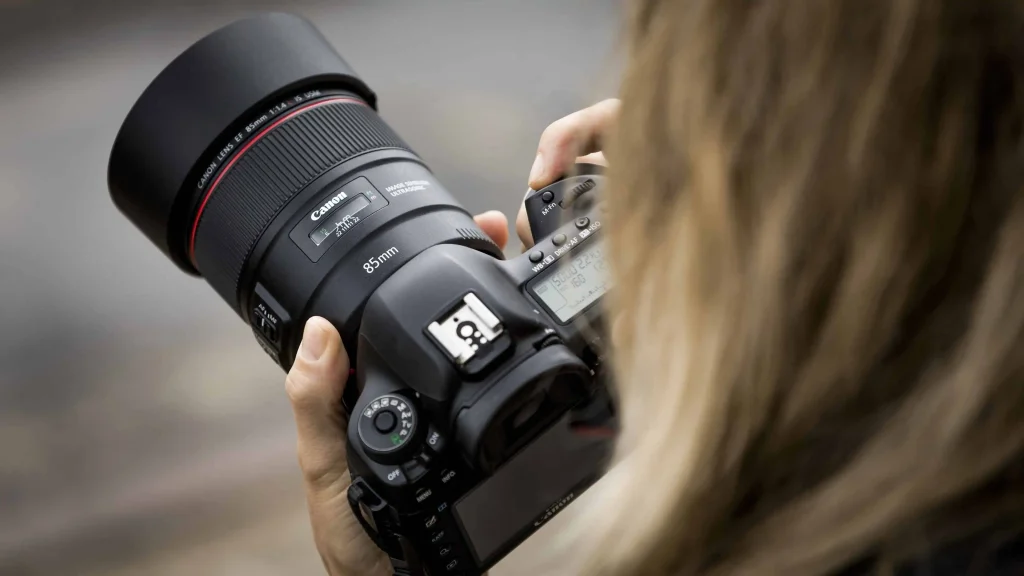
An 85mm lens is one of the classic choices for portrait photography.
The longer focal length allows photographers to work farther away from the subject while achieving strong subject isolation and a flattering perspective for many portrait styles.
An 85mm lens can be particularly useful for:
• Headshots
• Head-and-shoulder portraits
• Outdoor portraits
• Fashion photography
• Professional portrait sessions
• Portraits with strong background separation
The additional working distance can also make the photographer less intrusive during a portrait session.
However, 85mm may become difficult to use in very small indoor spaces because you need enough distance between the camera and subject.
35mm Lenses: Portraits With More Environment
A 35mm lens creates a different style of portrait.
Instead of focusing almost entirely on the subject, it allows photographers to include more of the surrounding environment.
This can be useful when the location is an important part of the story.
A 35mm lens can work well for:
• Environmental portraits
• Street portraits
• Lifestyle photography
• Content creation
• Small indoor spaces
• Group photography
• Travel portraits
Photographers should be more careful with subject positioning when shooting close portraits with wider lenses because perspective can become less flattering at very short working distances.
For portraits that intentionally include the environment, however, 35mm can be an extremely useful focal length.
70–200mm Lenses: Flexible Portrait Zooms
A 70–200mm zoom lens is a popular option for professional photographers who need flexibility without constantly changing lenses.
The zoom range allows photographers to quickly move between different compositions while maintaining greater working distance from the subject.
A 70–200mm lens can be useful for:
• Professional portraits
• Outdoor portrait sessions
• Weddings
• Events
• Fashion photography
• Candid portraits
• Full-body and tighter compositions
Longer focal lengths can also create strong subject separation when the shooting distance and background allow it.
The trade-off is that professional 70–200mm lenses can be larger, heavier and more expensive than smaller prime lenses.
35mm vs 50mm vs 85mm for Portraits
Choosing between 35mm, 50mm and 85mm depends largely on your shooting style.
Choose 35mm when you want to include more of the environment or regularly photograph in limited spaces.
Choose 50mm when you want a versatile focal length that can handle portraits as well as everyday photography.
Choose 85mm when you primarily want classic portraits, headshots and stronger subject isolation.
None of these focal lengths is automatically better than the others.
The best choice depends on the type of portraits you actually create.
Prime vs Zoom Lenses for Portrait Photography
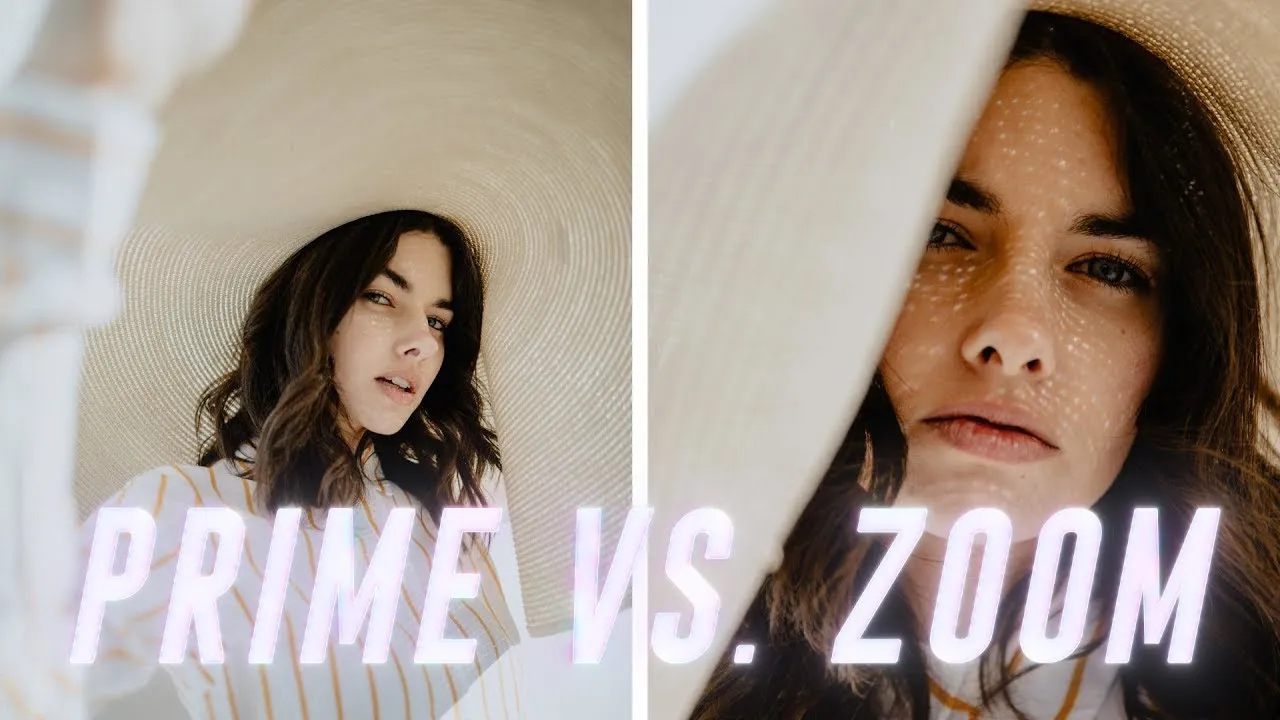
Portrait photographers can choose between prime lenses with a fixed focal length and zoom lenses that cover multiple focal lengths.
Prime lenses are often smaller and can offer wide maximum apertures depending on the model.
They can be excellent for photographers who already know the focal length they prefer.
Zoom lenses provide more flexibility.
A photographer working at an event, wedding or changing outdoor location may benefit from quickly adjusting composition without physically moving or changing lenses.
The decision should be based on your workflow rather than assuming that one lens type is always superior.
Why Aperture Matters for Portrait Photography
Maximum aperture is another important consideration when choosing a portrait lens.
Lenses with wider maximum apertures can allow more light into the camera and can create a shallower depth of field.
This can help separate the subject from the background and can also be useful when photographing in lower-light environments.
However, you do not always need to use the widest possible aperture.
An extremely shallow depth of field can sometimes leave important parts of the subject out of focus.
The goal is not simply to create the blurriest background possible. The goal is to keep the important parts of your subject sharp while creating the amount of background separation that fits the image.
Does Sensor Size Affect Your Portrait Lens Choice?
Sensor size should also be considered when choosing a focal length.
The field of view produced by a lens can differ depending on whether you use a full-frame camera or a camera with a smaller sensor.
This means the same lens may provide a different framing experience across different camera systems.
Before purchasing a portrait lens, check how its focal length will work with your specific camera.
This is particularly important when deciding between wider lenses such as 35mm and longer portrait options such as 85mm.
Canon, Sony, Nikon or Sigma Portrait Lenses?
Brand is important, but compatibility comes first.
Before purchasing any portrait lens, confirm that the lens is compatible with your camera and its specific lens mount.
Canon, Sony and Nikon offer portrait lenses across different focal lengths and price ranges.
Third-party manufacturers such as Sigma can also provide compelling options depending on your camera system.
Instead of choosing a lens purely because of the brand name, compare:
• Lens mount compatibility
• Focal length
• Maximum aperture
• Autofocus performance
• Size and weight
• Image quality
• Working distance
• Price
The best portrait lens is the one that works correctly with your camera and provides the focal length and features your photography requires.
Best Portrait Lens for Beginners
Beginners do not necessarily need an expensive professional portrait lens.
A 50mm prime lens can be a useful starting point because it can handle portraits while remaining versatile enough for everyday photography.
However, photographers working in small rooms may prefer a wider focal length, while someone primarily interested in outdoor headshots may prefer an 85mm lens.
Before buying, think about where you normally shoot and how much distance you have available.
This simple consideration can prevent you from purchasing a lens that looks perfect on paper but is inconvenient in your actual shooting environment.
Best Portrait Lens for Professional Photography
Professional portrait photographers should choose lenses around their workflow.
Studio photographers may have enough working distance to comfortably use longer focal lengths.
Wedding and event photographers may value the flexibility of a professional zoom.
Fashion and outdoor portrait photographers may use both prime and zoom lenses depending on the session.
Professionals should also consider autofocus reliability, build quality, camera compatibility, weight and how the lens fits into the rest of their equipment.
Portrait Lenses in Lebanon
Photographers buying portrait lenses in Lebanon should consider the complete camera system before making a decision.
Check your camera mount, sensor format, preferred focal length and available shooting space before purchasing.
You should also consider whether the lens will be used only for portraits or for other types of photography and video.
DSLR Zone offers cameras, lenses and photography accessories in Lebanon for beginners, enthusiasts, content creators and professional photographers.
Comparing compatible lenses before purchasing can help you build a setup that fits both your creative style and your budget.
Final Tip: Choose the Lens Around Your Photography
Do not choose a portrait lens simply because another photographer recommends a particular focal length.
Think about your working distance and the type of portraits you actually create.
A beautiful 85mm lens may be inconvenient in a tiny studio, while a 35mm lens may be wider than you want for close-up headshots.
A 50mm lens can provide a useful balance, while a 70–200mm can provide greater flexibility for professional sessions and events.
Start with your photography style, available space and camera system, then choose the focal length that fits those requirements.
Frequently Asked Questions
What is the best lens for portrait photography?
There is no single best portrait lens for everyone. Popular choices include 35mm, 50mm, 85mm and 70–200mm lenses. The right option depends on your shooting space, desired composition, camera system and portrait style.
Is 50mm or 85mm better for portraits?
A 50mm lens is generally more versatile and can work well in smaller spaces, while an 85mm lens provides greater working distance and is a classic choice for headshots and subject isolation. The better choice depends on how and where you photograph.
Is a 35mm lens good for portraits?
Yes. A 35mm lens can be excellent for environmental portraits, lifestyle photography, group photographs and situations where you want to include more of the surroundings.
Do I need a wide aperture lens for portraits?
A wide maximum aperture can help with low-light photography and shallow depth of field, but you do not need to shoot every portrait at the widest aperture. Keeping important parts of the subject sharp should remain the priority.
Can I use a zoom lens for portrait photography?
Yes. Zoom lenses can be excellent for portraits. A 70–200mm zoom is particularly useful for photographers who need flexibility during professional sessions, weddings, events and outdoor photography.